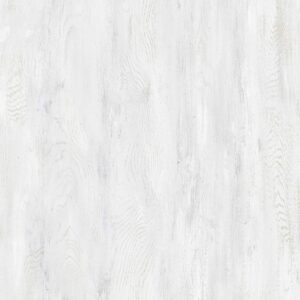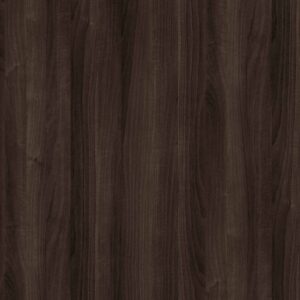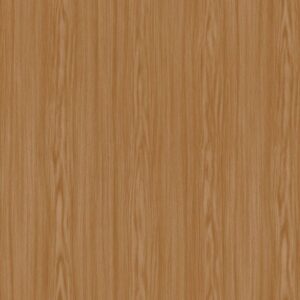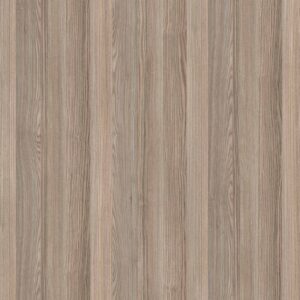
HardBoard Mesonite 3mm
Hardboard (Masonite) 3mm Profile
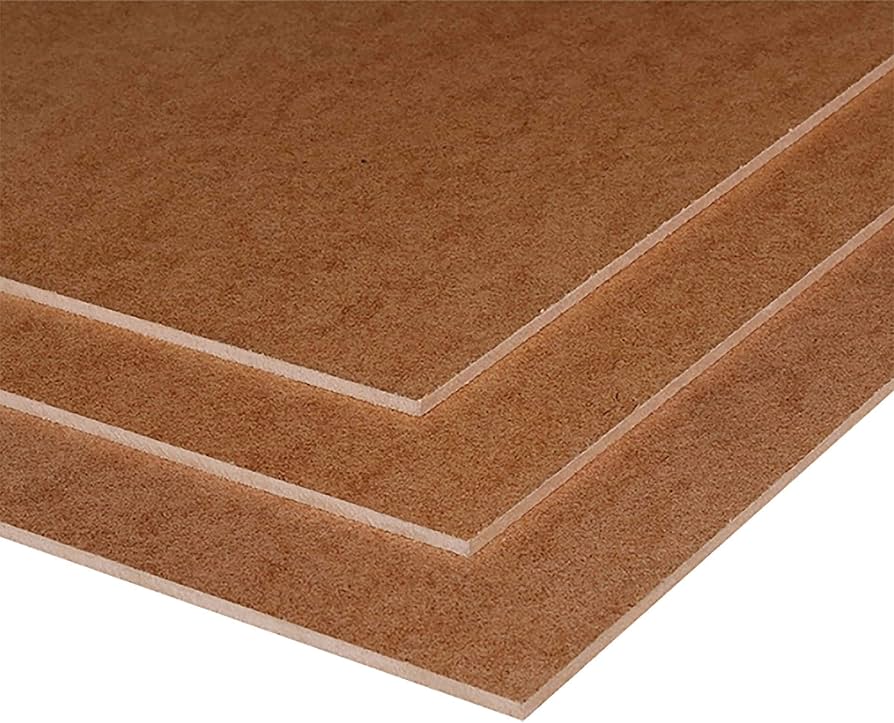
Hardboard, colloquially known in the industry by the brand name Masonite, is a high-density fiberboard. At 3mm, it is a thin, incredibly dense, and flexible utility board. It is produced using the “wet process,” where wood fibers are exploded under pressure and then compressed, using the wood’s own natural lignin as a bonding agent (though some modern versions use additional resins).
Key Characteristics
-
High Density: Despite being only 3mm thick, it is much harder and denser than standard SupaWood (MDF).
-
Two-Sided Texture: Standard Hardboard usually has one smooth, polished side and one textured “mesh” side. The mesh side provides a better grip for adhesives.
-
Flexibility: Due to its thin profile, it can be bent into curves, making it useful for curved furniture backs or architectural features.
-
Durability: It is highly resistant to impact and abrasion, though it is not structural and will sag if not supported.
Primary Applications
Hardboard is the “workhorse” of the joinery and construction world:
-
Cupboard Backing: The most common use. It is used as the rear panel for kitchen carcases and wardrobes to provide “squaring” and dust protection.
-
Drawer Bottoms: Because it is thin and strong, it is the standard material for the base of small to medium-sized drawers.
-
Floor Protection: During renovations, 3mm Hardboard is often laid over tiled or wooden floors to protect them from falling tools and heavy foot traffic.
-
Door Skins: Used as the outer surface for hollow-core interior doors.
-
Packaging and Templates: Because it is easy to cut with a utility knife or a jigsaw, it is frequently used to make templates for countertops or complex shapes.
Pro-Tips for Working with 3mm Hardboard
-
Moisture Caution: Standard Hardboard is susceptible to moisture. If it gets damp, it can buckle or “oil-can.” For high-moisture areas, look for Tempered Hardboard, which is treated with oil to make it more water-resistant and even harder.
-
Fastening: When using it as a cupboard back, it is usually fixed with clout nails or staples. To prevent the board from vibrating or “drumming,” a bead of glue on the carcass edges before nailing is recommended.
-
Painting: If painting, always paint the smooth side. Like Raw SupaWood, it is porous and requires a good primer to ensure even color coverage.
Technical Specifications
-
Standard Size: 2440mm x 1220mm (standard) or 2750mm x 1830mm (large format).
-
Thickness: 3.0mm (Actual).
-
Density: Roughly .
-
Weight: Very light and easy to handle, weighing approximately 9kg per standard sheet.

-
Free shipping anywhere in Zimbabwe
-
Delivers in: 3-7 Working Days Shipping & Return
Hardboard (Masonite) 3mm Profile
Hardboard, colloquially known in the industry by the brand name Masonite, is a high-density fiberboard. At 3mm, it is a thin, incredibly dense, and flexible utility board. It is produced using the “wet process,” where wood fibers are exploded under pressure and then compressed, using the wood’s own natural lignin as a bonding agent (though some modern versions use additional resins).
Key Characteristics
-
High Density: Despite being only 3mm thick, it is much harder and denser than standard SupaWood (MDF).
-
Two-Sided Texture: Standard Hardboard usually has one smooth, polished side and one textured “mesh” side. The mesh side provides a better grip for adhesives.
-
Flexibility: Due to its thin profile, it can be bent into curves, making it useful for curved furniture backs or architectural features.
-
Durability: It is highly resistant to impact and abrasion, though it is not structural and will sag if not supported.
Primary Applications
Hardboard is the “workhorse” of the joinery and construction world:
-
Cupboard Backing: The most common use. It is used as the rear panel for kitchen carcases and wardrobes to provide “squaring” and dust protection.
-
Drawer Bottoms: Because it is thin and strong, it is the standard material for the base of small to medium-sized drawers.
-
Floor Protection: During renovations, 3mm Hardboard is often laid over tiled or wooden floors to protect them from falling tools and heavy foot traffic.
-
Door Skins: Used as the outer surface for hollow-core interior doors.
-
Packaging and Templates: Because it is easy to cut with a utility knife or a jigsaw, it is frequently used to make templates for countertops or complex shapes.
Pro-Tips for Working with 3mm Hardboard
-
Moisture Caution: Standard Hardboard is susceptible to moisture. If it gets damp, it can buckle or “oil-can.” For high-moisture areas, look for Tempered Hardboard, which is treated with oil to make it more water-resistant and even harder.
-
Fastening: When using it as a cupboard back, it is usually fixed with clout nails or staples. To prevent the board from vibrating or “drumming,” a bead of glue on the carcass edges before nailing is recommended.
-
Painting: If painting, always paint the smooth side. Like Raw SupaWood, it is porous and requires a good primer to ensure even color coverage.
Technical Specifications
-
Standard Size: 2440mm x 1220mm (standard) or 2750mm x 1830mm (large format).
-
Thickness: 3.0mm (Actual).
-
Density: Roughly .
-
Weight: Very light and easy to handle, weighing approximately 9kg per standard sheet.